
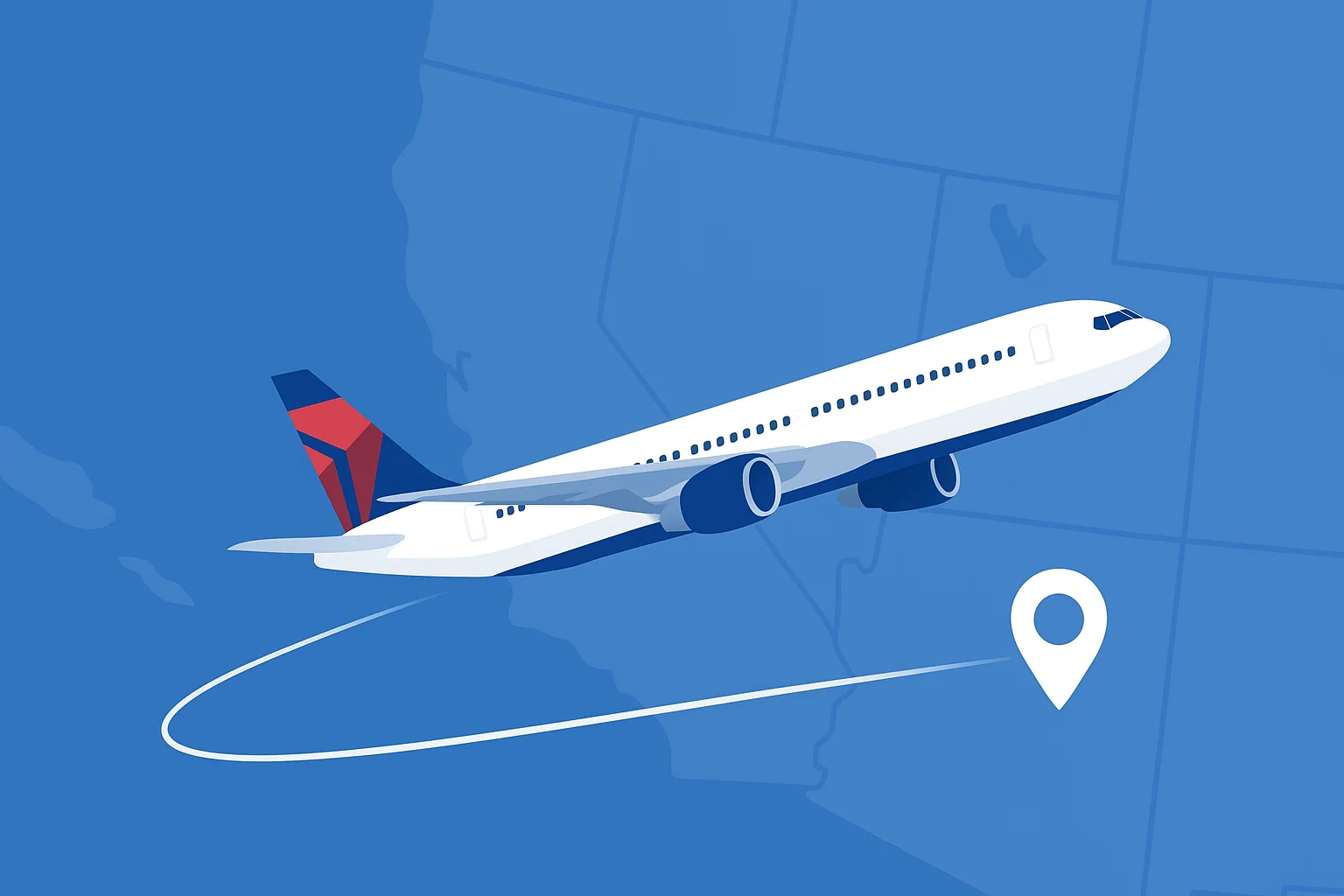
Imagine settling in for a long-haul international flight, hours into the journey, only to see the flight path on the screen make an unexpected U-turn. That shock and confusion is what passengers experienced when Delta Flight DL275, en route from Detroit to Tokyo, turned around mid-journey on May 27, 2025. The flight was diverted to Los Angeles (LAX) following a technical issue. This event highlights the robust safety protocols that govern modern aviation, the complex decision-making airlines face, and what every traveler should understand about inflight diversions.
What Happened to Delta Flight DL275?
The incident involved a routine international flight that turned into a nearly 12-hour journey back to the United States. Here is a breakdown of the key details.
Flight Details
The flight in question was Delta Flight DL275. It was scheduled to fly from Detroit Metropolitan Wayne County Airport (DTW) to Tokyo Haneda Airport (HND). The aircraft operating the route was a modern Airbus A350-900, and the journey was scheduled to last approximately 13 hours.
Timeline of Events
After a normal departure from DTW, the flight proceeded on its planned route. About five to six hours into the journey, while flying over the Bering Sea at a cruising altitude of around 38,000 feet, the pilots made the decision to turn back. Instead of continuing to Tokyo or landing at a closer airport, the aircraft was redirected to Los Angeles International Airport (LAX). This resulted in a total flight time of nearly 12 hours, effectively making it a long-haul domestic loop.
Read also Discover CafeScore: Your Ultimate Guide to Live Football Stats
Safe Landing
Despite the lengthy and unexpected detour, the aircraft landed safely on Runway 06R at LAX. Passengers and crew disembarked without any reported injuries. The flight crew’s professional handling of the situation ensured a safe conclusion to the irregular operation.
Reasons for the Diversion
Passenger and crew safety is the top priority in aviation. The decision to divert DL275 was a direct result of this principle, based on a specific technical concern and careful logistical planning.
Engine Anti-Ice System Malfunction
The technical issue that prompted the diversion was a malfunction in the engine’s anti-ice system. At high altitudes, the air is cold enough for ice crystals to form. An anti-ice system prevents this ice from building up on critical engine components, which could otherwise affect performance or cause damage. A fault in this system presented a potential risk that the crew was unwilling to take.
Why Diversions Happen
Pilots and airline operations centers do not make diversion decisions lightly. In this case, LAX was chosen for several strategic reasons. Los Angeles is a major hub for Delta, with extensive maintenance facilities and technicians specifically trained on the Airbus A350. While airports like Anchorage or Seattle were geographically closer, LAX offered superior resources to inspect and repair the aircraft efficiently.
Crew Decision-Making
The pilots followed strict procedures established by the FAA and Delta. After detecting the issue, they consulted with Delta’s operations and maintenance control teams. Together, they assessed the situation and determined that diverting to the safest and most capable airport was the best course of action, even if it meant a longer flight.
Impact on Passengers and Operations
A diversion of this scale has a significant effect on everyone involved, from the passengers on board to the airline’s broader schedule.
Passenger Experience
For passengers, the diversion meant a significant delay and a major disruption to their travel plans. Upon landing in Los Angeles, Delta worked to rebook customers onto later flights to Tokyo. The airline likely provided hotel accommodations, meal vouchers, and transportation to affected passengers, as is standard practice in such situations. Throughout the event, the crew provided updates to keep passengers informed.
Operational Impact
Operationally, the diversion took a valuable aircraft out of its scheduled rotation for inspection and repair. This can create a ripple effect, potentially causing delays or cancellations for other flights that were supposed to use that specific plane. For a major carrier like Delta, maintaining a strong safety reputation is paramount, and handling such incidents professionally is part of that commitment.
Supporting Data
While exact passenger counts are not always released, an Airbus A350-900 can carry over 300 passengers. In some long-haul diversions, a fuel dump is necessary to reduce the aircraft’s weight for a safe landing. This procedure is performed at high altitudes in designated areas and is a standard part of safety protocols.
Delta’s Response and Lessons Learned
Delta’s handling of the DL275 diversion underscores the industry’s focus on safety and customer care during irregular operations.
Official Statement
Airlines typically issue a statement after such an event, emphasizing their commitment to safety and apologizing for the inconvenience. The response would confirm the mechanical nature of the issue and outline the steps taken to care for passengers and get them to their final destination.
Aircraft Follow-Up
Once on the ground at LAX, the Airbus A350-900 would have undergone a thorough inspection by Delta’s maintenance team. The faulty anti-ice system component would be repaired or replaced before the aircraft was cleared to fly again. In the meantime, Delta would either reschedule the flight or assign a different aircraft to the route.
Practical Tips for Travelers
This incident serves as a reminder for travelers. Having travel insurance can help cover unexpected costs from long delays or cancellations. It is also useful to understand your rights as a passenger under Department of Transportation (DOT) regulations. While diversions are rare, knowing they are handled with extreme professionalism can provide peace of mind.
Potential Drawbacks and Improvements
Even a well-handled incident offers opportunities for reflection and enhancement.
Honest Assessment
Some may question the decision to fly all the way to Los Angeles instead of a closer airport. The significant inconvenience for passengers with connections in Tokyo is undeniable. However, the choice was based on ensuring the most comprehensive maintenance resources were available.
Opportunities for Improvement
Aviation is always evolving. Airlines can continue to improve real-time onboard communication to give passengers more clarity during a diversion. Advances in predictive maintenance may help airlines catch potential issues even before a flight departs. Furthermore, developing better app-based alerts for families of passengers could reduce anxiety during such events.
Conclusion
The diversion of Delta Flight DL275 is a powerful example of modern aviation safety systems at work. While disruptive for passengers, the crew’s decision to prioritize safety above all else demonstrates the industry’s robust and uncompromising protocols. These events, though rare, show how sophisticated and safe air travel has become in 2025.
You can track flights and stay informed about similar events using tools like FlightAware. If you have experienced a flight diversion, consider sharing your story. Every incident contributes to a broader understanding of the complex world of air travel.
Meta Information
Meta Title: Delta Flight DL275 Diverted: What Happened and Why?
Meta Description: Delta Flight DL275 from Detroit to Tokyo was diverted to LAX. Learn about the technical issue, why it happened, and the impact on passengers.